


Home charging is the foundation of a successful electric car experience!
Charging an electric car at home is what turns EV ownership into something truly simple and cost-effective. In this article, we explain how home charging works, what to check before installing a charger, the costs involved, and how to handle the reality of apartments and condominiums. A practical read to avoid frustration and ensure your EV fits your routine.
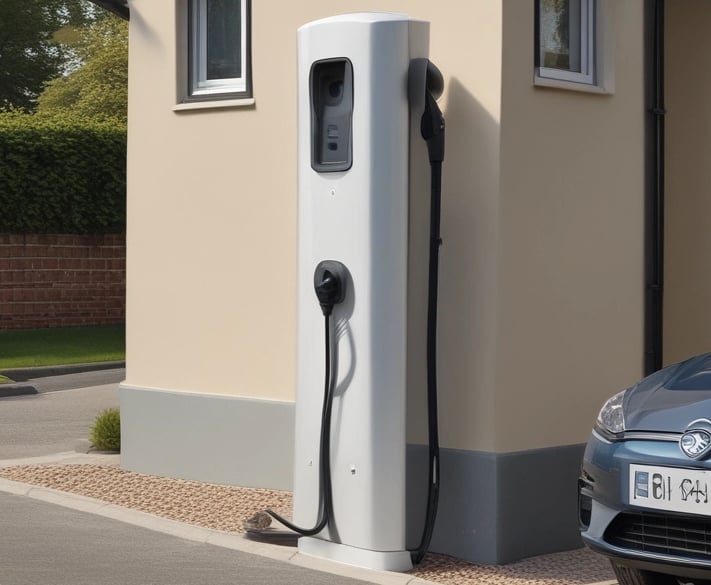
Home Charging for Electric Cars: Costs, Installation, and Condo Solutions
If you’re thinking about buying an EV—or you already own one—home charging is the single factor that can turn the experience into pure convenience or daily friction. Public chargers are improving, but nothing beats waking up with a “full tank” without stopping anywhere.
This guide is designed to help you understand what home charging really involves, how much it tends to cost, and what to do if you live in an apartment or condominium. The goal is simple: make your EV routine easier, cheaper, and stress-free.
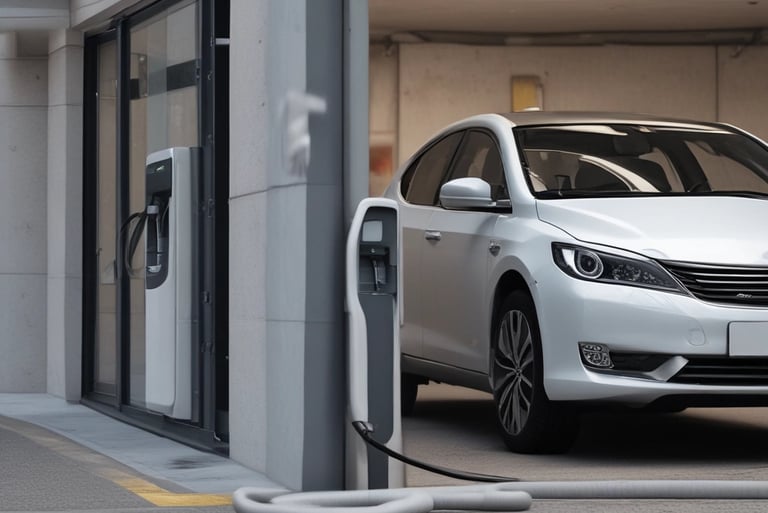
[Image suggestion: A clean editorial photo of an EV charging at home in a garage/driveway.]
Why home charging is a game changer for EV owners
The biggest advantage of an electric car isn’t just the quiet ride or instant torque. It’s the change in habit. With a combustion vehicle, you must go out of your way to refuel. With an EV, the best scenario is the opposite: charging becomes something that happens while you rest, work, or sleep.
That shift matters because it reduces time loss and anxiety. It also improves cost predictability. When you charge at home, your “fuel price” stops fluctuating with gas market swings and becomes part of your routine household energy planning.
What you need to charge at home
Home charging doesn’t necessarily mean expensive equipment on day one. The setup depends on your driving pattern.
Most owners will encounter two practical routes:
Standard outlet charging (slow but simple)
Using a regular outlet can work if:
your daily distances are modest
the car stays parked for long periods
you’re not trying to recover a large amount of range overnight
This option is often used as a transitional solution, especially for first-time EV owners.
Wallbox or dedicated charger (the ideal long-term setup)
A home wallbox is usually the “sweet spot” for convenience and reliability. It shortens charging time and provides a more stable, safer daily routine—especially for people who drive more frequently or want to avoid dependency on public stations.
[Image suggestion: A minimal infographic comparing “regular outlet vs wallbox” in a simple time/recovery visual.]
How much does home charging cost?
This is one of the most searched questions—and also one of the most misunderstood.
Home charging costs vary based on:
your local electricity rates
the EV’s efficiency
your driving volume
whether you charge during off-peak hours (if available)
Instead of chasing a single universal number, the best approach is thinking in terms of predictability and control. In many daily-use scenarios, home charging is meaningfully cheaper per kilometer than gasoline. But your real advantage comes from consistent planning, not hype.
Installation basics: what to check before you buy equipment
Even a high-quality charger won’t help if your electrical setup isn’t prepared.
Before installing a wallbox, make sure you verify:
available electrical capacity at your home
circuit safety and compatibility
proper grounding
a dedicated line for the charger
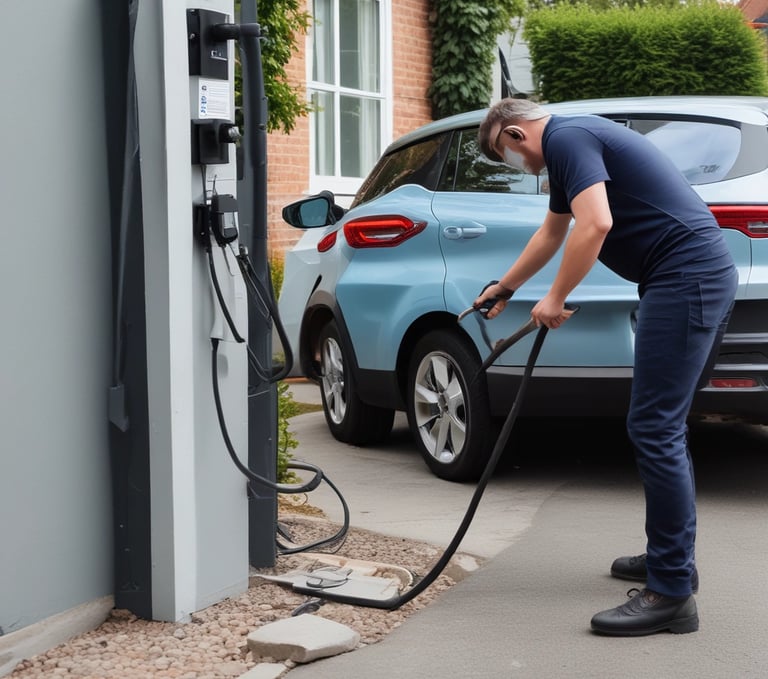
A qualified electrician with experience in EV installations is a smart investment here. This isn’t the place for shortcuts.
Charging an EV in a condominium: realistic, not impossible
This is where many potential EV buyers get stuck. The fear is common: “I live in an apartment, so I can’t own an EV.”
The reality is more nuanced.
Condo charging is not a technical impossibility—it’s usually a logistical and administrative challenge.
The friction typically comes from:
shared electrical infrastructure
approval processes
questions about cost allocation
lack of prior examples in the building
The good news is that as EV adoption grows, more buildings are learning to handle this transition with structured solutions.
The best mindset for condo owners
If you want an EV and live in a condo, your job is to present a plan that feels simple and fair.
That usually includes:
a safe installation proposal
a clear way to measure your energy use
minimal impact on shared systems
professional documentation
When the building understands that the solution is measurable, safe, and structured, resistance often drops.
A practical way to decide if home charging is worth it for you
The easiest filter is your routine.
Home charging tends to make the most sense when:
you drive frequently in the city
you want predictable daily costs
you prefer convenience over hunting for chargers
you plan medium- to long-term EV ownership
If you’re still unsure, a simple test can help: map your weekly routes and estimate how often you would need public charging without home access. The answer usually makes the decision obvious.
Common mistakes to avoid
Many early frustrations with EV ownership don’t come from the car. They come from poor planning.
The most common mistakes include:
buying an EV before confirming charging feasibility
relying exclusively on public charging for a city routine
installing home equipment without a safety review
ignoring the condo approval process until after purchase
Avoiding these missteps is often the difference between loving the EV lifestyle and feeling trapped by it.
Conclusion
Home charging is the backbone of a smooth EV experience. For many drivers, it’s what turns electric mobility from “interesting technology” into a genuinely better daily routine. And while condo charging can be more complex, it’s increasingly manageable with the right planning and a clear, professional proposal.
If you’re serious about an EV—new or used—treat charging not as an accessory, but as part of the purchase decision itself.
What to read next
If you want to build a strong content sequence on your blog, these follow-ups fit perfectly:
Used Electric Car Checklist: What to Check Before You Buy
Real-World EV Range: Why Your Daily Routine Matters More Than the Spec Sheet
EV vs Combustion in 2025: Total Cost and Real-Life Use
If you want, I can write the next article in this series with the same structure and leave image placeholders in the exact layout you’re using in Hostinger.
Contact
Questions or Suggestions? Talk to Us!
+55 48 998037616
EvsReviews © 2025. Todos os direitos reservados.